
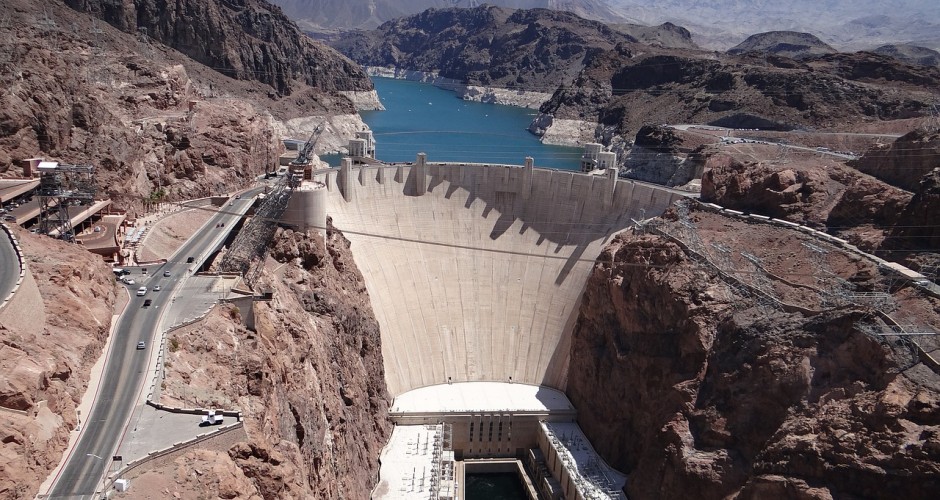
When somebody brings up dams, most people probably conjure up an image of a dam like the Hoover dam, which is one of the largest in the world, and provides the majority of the energy which powers Las Vegas. While gigantic constructions like this or the Three Gorges dam in China are exciting, and quite frankly extraordinary, dams are actually quite wide-spread, and they make up an important part of modern life.
Before we get into how you build a dam, you should understand their purpose:
- Dams are primarily constructed to create a reservoir of water: By creating a wall which a river needs to surmount before it can continue to flow, you ensure that there will always be more water on one side of the dam than the other, which is useful for lots of situations. Farmers need lots of water to care for their land and produce, and communities also need to have access to large amounts of water too.
- The pressure created by the large amounts of water can also, potentially, be converted into electrical energy through turbines (like the hoover dam), although most dams don’t perform this function.
- A large body of water can also be used to farm large amounts of fish, creating another potential yield from a dam.