
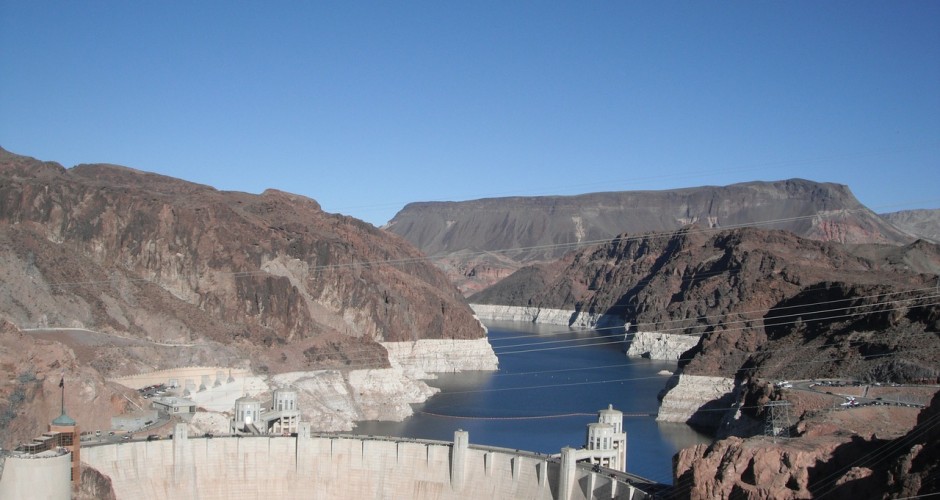
Building a dam is actually pretty easy, but it becomes increasingly more difficult the larger it gets. While a small dam which isn’t built to hold large bodies of water back or to generate electricity can be effective for small scale operations, when you’re building a dam which needs to be able to supply water and electricity to millions of people, the project becomes expensive and complex, and maintaining the dam after it’s been built also becomes expensive and complex. Large dams usually aren’t built by companies, but by countries.
Building a large dam requires a lot of effort, and it needs to be built with absolute precision. As they are built with permanence in mind, they need to be durable and be easy to maintain. It also means that there are a whole host of other issues that will need to be dealt with. For instance, reservoirs will often build up a layer of silt at the bottom over time, which can interfere with turbines, and increase the weight load significantly, which means that there needs to be a solution for letting out the silt.
As a result of damming a river, you find that the reservoir behind the dam will burst the river’s banks. The potential fall out of this isn’t that much with a small river and small dam, but with larger dams, it needs to be accounted for, and precautions taken to make sure that nobody is harmed and no property is damaged. This adds yet another facet to the construction project, as it means that you will need to dig out an area for the reservoir to fill in.