Building a Dam, Pt 2

So, as was discussed, building a dam can be useful for lots of situations. Besides understanding the uses of a dam, you also need to understand how complex the construction process is, and how expensive it can be.

The size of a dam, and how much water it is trying to retain in the reservoir, are the two most important factors in the cost of a dam construction. A small dam created by a farmer to increase the amount of water they’ve got on their land, could be built by anybody with an excavator, and it could even last a few years. These could cost as little as the price of running heavy machinery for a couple of days.

For larger constructions, for instance; for a group of farmers looking for a larger reservoir of water to supply their farms, they may need to hire dam engineer specialists, create proper plans, purchase proper construction materials, and perform safety inspections. Then, of course, you have the massive dams which will need to require even more forethought, and far more money.

Depending upon the laws of the country where you’re thinking about building a dam, there are going to be different limitations on what you can do. Often times, the terms of your leasing of the land from the state will include stipulations about what you can and can not do with your water supply; it may well be that you aren’t allowed to do any development like a small dam, so you should always check first.
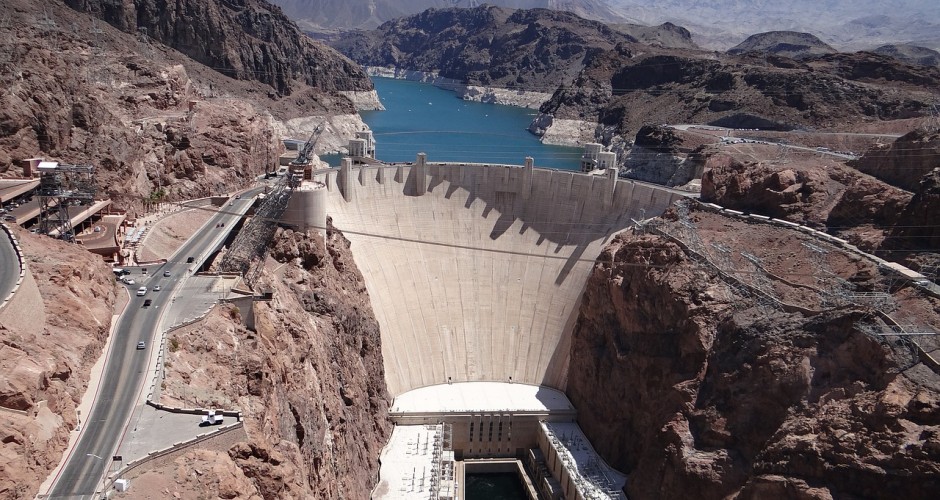
Building a Dam

When somebody brings up dams, most people probably conjure up an image of a dam like the Hoover dam, which is one of the largest in the world, and provides the majority of the energy which powers Las Vegas. While gigantic constructions like this or the Three Gorges dam in China are exciting, and quite frankly extraordinary, dams are actually quite wide-spread, and they make up an important part of modern life.

Before we get into how you build a dam, you should understand their purpose:

  • Dams are primarily constructed to create a reservoir of water: By creating a wall which a river needs to surmount before it can continue to flow, you ensure that there will always be more water on one side of the dam than the other, which is useful for lots of situations. Farmers need lots of water to care for their land and produce, and communities also need to have access to large amounts of water too.
  • The pressure created by the large amounts of water can also, potentially, be converted into electrical energy through turbines (like the hoover dam), although most dams don’t perform this function.
  • A large body of water can also be used to farm large amounts of fish, creating another potential yield from a dam.

Repairing Partially Damaged Buildings

This is a problem which has a very diverse range of causes, and an equally diverse range of solutions. Depending upon the cause, a specific solution could be more applicable than others, and likewise different constructions could require different solutions too.

The biggest factor involved in repairing a damaged building is whether the damage is superficial or to the support of the building. The first, while expensive, can be dealt with relatively easily, and we’ll go into what to expect shortly. The second though, can be expensive, time sensitive, and stressful.

Superficial damage can require you to make hard choices about what you want to replace and what you don’t. Often times people, in an attempt to save money, will replace their damaged property with cheaper alternatives. You should also expect it to potentially take a week or two for the re-plastering and carpeting to be complete.

With more serious damage to the actual structure of a building, you need to manage your expectations. Whenever work has to be done on this level, precision is key to building a safe home, so it is important it is done correctly, which takes time. You should expect this to take anywhere up to a few months to reach completion.


Ground Reinforcement: Why You Need it and How it Much Costs

There are a number of different conditions which need to be met before you can commence a construction project, and of these one of those which is absolutely integral is ensuring that the geology of the area is perfectly suitable for the building to continue. Sometimes it simply isn’t as simple as laying out the foundations and then starting work; sometimes you’ll need to work the ground so that it can remain stable.

Ground reinforcement is a process whereby ground is reinforced through the application of various techniques and materials.

Often if the ground is unstable it is because the ground around the building site is too soft, sometimes across the board and other times it will vary a lot over even a small area. The solution for this is to add additional denser materials like gravel into the soil so that it becomes firmer, as well as to produce more extensive foundations for any build-work on top of unstable ground.

Why You Need a Construction Project Manager

With well known shows like Grand Designs often showing people trying to build their own home, without a project manager, you can see why the temptation to manage their own home’s construction would persist among many would-be home-builders, but there are a number of things which are just out of reach for laymen; somebody with no experience in the construction industry, and an inability to work on the project full time.

Construction project managers have a number of advantages over a laymen, beyond simply understanding how to build things. They also have an understanding of the construction industry, which means that, for them, hiring/finding high quality contractors, getting building materials, and more, is all a lot easier. Lastly, even if you don’t need somebody responsible present throughout the project, having somebody who can dedicate their attention to an issue at the drop of a hat is something which is not possible for your average person getting their home built.