Building a Dam

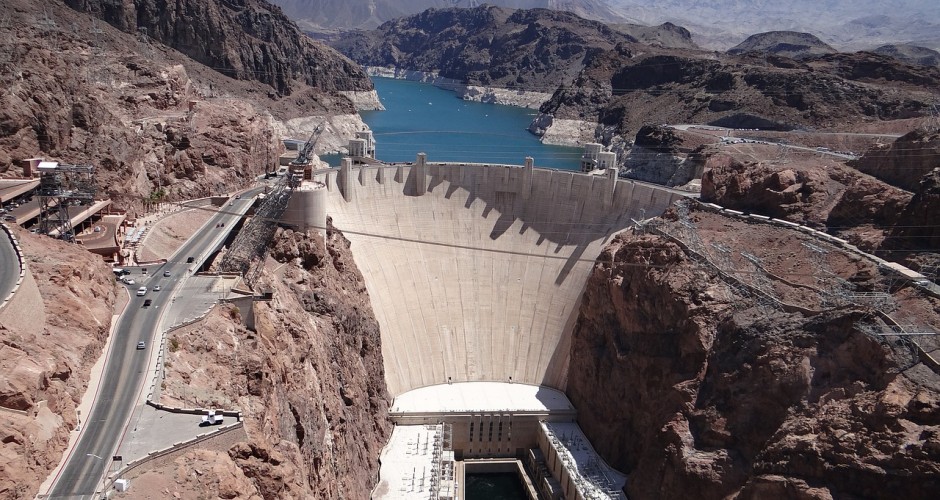
When somebody brings up dams, most people probably conjure up an image of a dam like the Hoover dam, which is one of the largest in the world, and provides the majority of the energy which powers Las Vegas. While gigantic constructions like this or the Three Gorges dam in China are exciting, and quite frankly extraordinary, dams are actually quite wide-spread, and they make up an important part of modern life.

Before we get into how you build a dam, you should understand their purpose:

  • Dams are primarily constructed to create a reservoir of water: By creating a wall which a river needs to surmount before it can continue to flow, you ensure that there will always be more water on one side of the dam than the other, which is useful for lots of situations. Farmers need lots of water to care for their land and produce, and communities also need to have access to large amounts of water too.
  • The pressure created by the large amounts of water can also, potentially, be converted into electrical energy through turbines (like the hoover dam), although most dams don’t perform this function.
  • A large body of water can also be used to farm large amounts of fish, creating another potential yield from a dam.

Repairing Partially Damaged Buildings

This is a problem which has a very diverse range of causes, and an equally diverse range of solutions. Depending upon the cause, a specific solution could be more applicable than others, and likewise different constructions could require different solutions too.

The biggest factor involved in repairing a damaged building is whether the damage is superficial or to the support of the building. The first, while expensive, can be dealt with relatively easily, and we’ll go into what to expect shortly. The second though, can be expensive, time sensitive, and stressful.

Superficial damage can require you to make hard choices about what you want to replace and what you don’t. Often times people, in an attempt to save money, will replace their damaged property with cheaper alternatives. You should also expect it to potentially take a week or two for the re-plastering and carpeting to be complete.

With more serious damage to the actual structure of a building, you need to manage your expectations. Whenever work has to be done on this level, precision is key to building a safe home, so it is important it is done correctly, which takes time. You should expect this to take anywhere up to a few months to reach completion.


Apprenticeships are Essential to the Construction Industry

In terms of the deployment of apprenticeships, the construction industry truly sets itself apart from just about every other industry sector. One of the best ways to build a great career in the construction industry is actually to start an apprenticeship, unlike many other industries where it is more typically university graduates who reserve the best careers.

No matter what your previous job experience or academic success, you can begin a construction apprenticeship which could give you a solid pathway all the way to the point where you are managing entire construction projects. Even jobs like working as an architect see people fulfilling an apprentice role in architecture firms; it is truly engrained in every part of the construction industry.

If somebody is trying to find a job which can offer quick advancement and good pay, then apprenticeships in the construction industry should be one of their first points of call.

Outdoor Power Generators

One of the absolute essentials of big construction jobs is an outdoor power generator. These are massive pieces of machinery, which need to run all day long, regardless of the weather, to power all of the rest of the heavy machinery, as well as any creature comforts that those on-site need for their break-room and so on.

Outdoor power generators come in a variety of sizes and specifications, so that you don’t need to overspend on one which is too large for your operation. Some of them are capable of processing hundreds of gallons of fuel in a single day, but these are really only suited for big construction jobs, like with a skyscraper. Most smaller ones are better suited to building a home, where they might have one or two power tools running at once, and a single kettle or microwave.

More About Lifting Equipment

Lifting equipment is one of those tools in the labour-intensive industries which doesn’t really receive the attention it’s due. The reality is that lifting equipment is some of the most important equipment you can have, as it can protect the health of builders working on site and help them to work more efficiently.

Lifting heavy machinery and building materials has always been some of the most dangerous work to do on building websites. Not only do you have a risk of the materials dropping and injuring somebody, the act of lifting can also cause builders to throw out their back, impeding them from doing their work. A hoist secures what you’re lifting and reduces the weight load, meaning it is an all-around safer method of lifting.

Lifting equipment also makes the act of building considerably easier, as it allows less people to do more. A few people can do the tasks that would have taken dozens to lift and shift. It also means that we can do more construction tasks with heavier materials, such as steel I-beams, steel sheets and more.